Indianapolis Metro
Commercial & Flat Roofing
Low-slope roofs on shops, churches and warehouses fail at seams, drains and edges. We repair and replace TPO and EPDM membranes and coat roofs that still have years in them.
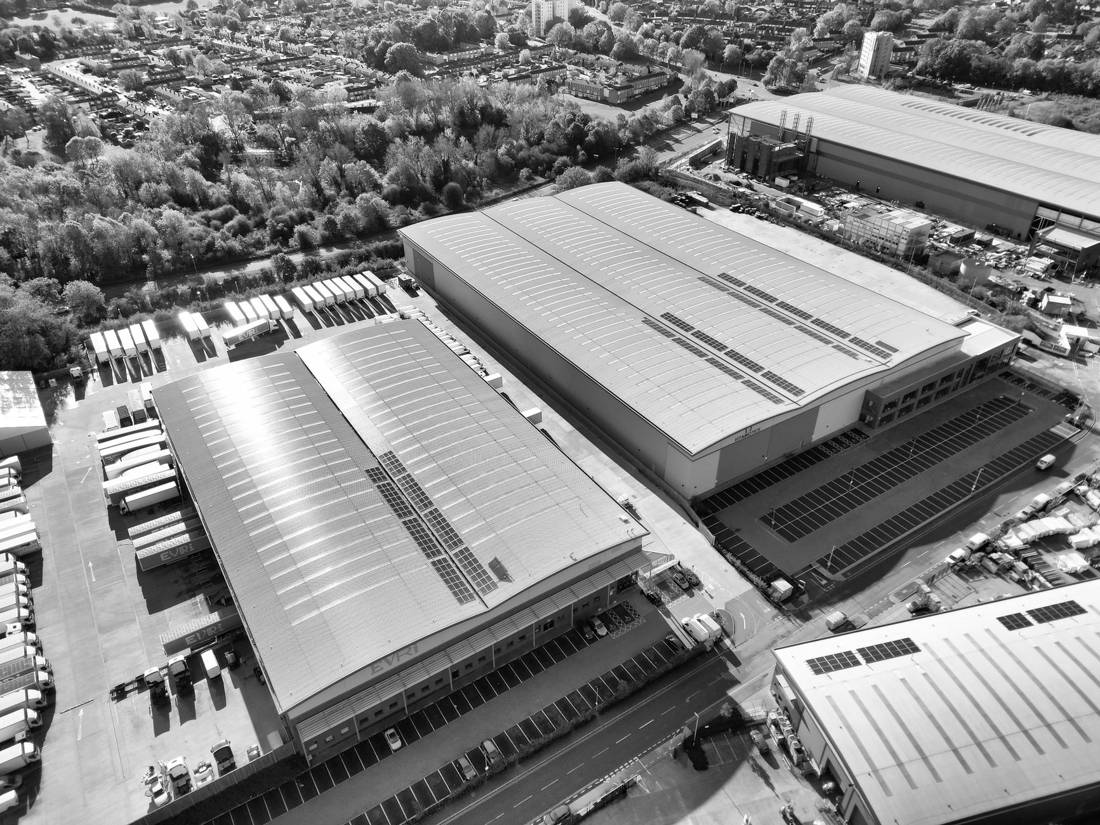
The basics
Commercial and flat roofing systems require specific knowledge and materials to withstand Indiana's weather patterns. These roofs, common on businesses, warehouses, and multi-family properties, demand precise installation and maintenance to prevent moisture intrusion and structural damage. Understanding the different membrane types and application techniques is essential for a long-lasting and efficient roofing system.
From initial assessment to project completion, a thorough approach ensures your commercial property remains protected. Flat roofs face unique stressors, including ponding water and UV degradation, which necessitate durable, reflective, or reinforced materials. Choosing the right system can significantly impact energy efficiency and the longevity of your building envelope.
In Central Indiana
Central Indiana’s weather, with its severe thunderstorms, hail events, and freeze-thaw cycles in winter, poses significant challenges for commercial flat roofs. Ponding water from heavy rains, combined with fluctuating temperatures, can accelerate membrane degradation and flashing failures. Proper drainage solutions and durable, flexible roofing materials are crucial to withstand these conditions and protect commercial assets across Indianapolis neighborhoods and surrounding counties. Regular maintenance is key to mitigating the effects of these environmental stressors.
Choices
Choices
TPO Roofing Systems
TPO comes in wide white rolls whose seams are welded with hot air, and it bounces back much of the July sun. Its reflective surface keeps the space below cooler, making it a popular choice for commercial properties seeking environmental benefits and long-term performance.
EPDM Rubber Roofing
Ethylene Propylene Diene Monomer (EPDM) is a synthetic rubber roofing membrane widely used for its resilience and weather resistance. It forms a tough, watertight seal and is particularly effective in regions experiencing wide temperature fluctuations.
Modified Bitumen
Modified bitumen roofing is an asphalt-based system reinforced with polymers, offering enhanced flexibility and resistance to temperature extremes. It is often installed in multiple layers, providing a sturdy and reliable barrier for flat and low-slope roofs.
Roof Coatings
Protective coatings can extend the life of existing commercial roofs by adding a reflective, waterproof layer. These coatings can improve energy efficiency, repair minor issues, and provide an economical alternative to full roof replacement, enhancing overall roof performance.
Step by step
Our process
- 1
Detailed Roof Assessment
A comprehensive inspection identifies the current condition of your flat roof, including membrane type, substrate integrity, and drainage effectiveness. This step determines the extent of any damage or wear.
- 2
Material Selection & Planning
Based on the assessment, suitable commercial roofing materials such as TPO, EPDM, or modified bitumen are chosen. A detailed project plan outlines the scope of work and timeline for completion.
- 3
Preparation & Installation
The existing roof surface is prepared, which may include cleaning, repairs, or removal of old layers. New roofing materials are then installed according to manufacturer specifications and industry best practices.
- 4
Final Review & Cleanup
Upon completion, the entire roof is inspected to confirm proper installation and adherence to quality standards. The work area is thoroughly cleaned, leaving the property orderly.
Questions
Indy-area questions on commercial & flat roofing
How many years does a flat roof on a business usually give?
The lifespan of a commercial flat roof varies significantly depending on the material used, installation quality, and ongoing maintenance. Systems like TPO and EPDM can last between 15 to 30 years or more with proper care. Regular inspections and timely repairs can help maximize its service life in the Indianapolis climate.
How can I tell if my commercial flat roof needs repair or replacement?
Key indicators include persistent ponding water, visible cracks or punctures in the membrane, bubbling, or noticeable leaks inside the building. An inspection by a professional can accurately assess the extent of the damage and recommend the most appropriate course of action, whether repair or full replacement.
Are there energy-efficient options for commercial flat roofing?
Yes, many modern commercial flat roofing materials are designed with energy efficiency in mind. TPO and certain roof coatings, for example, have reflective surfaces that reduce heat absorption, keeping the building below cooler. That eases the load on rooftop cooling units.
What maintenance is required for a commercial flat roof?
Regular maintenance for a commercial flat roof should include periodic inspections, clearing debris from the roof surface and drains, and checking for any signs of wear or damage. Addressing small issues promptly can prevent them from escalating into larger, more costly problems, especially given Indiana's diverse weather patterns.
Have the roof looked at before the next storm
Describe the leak, the hail or the age of the roof and siding. We will climb up, take photos and walk you through it.